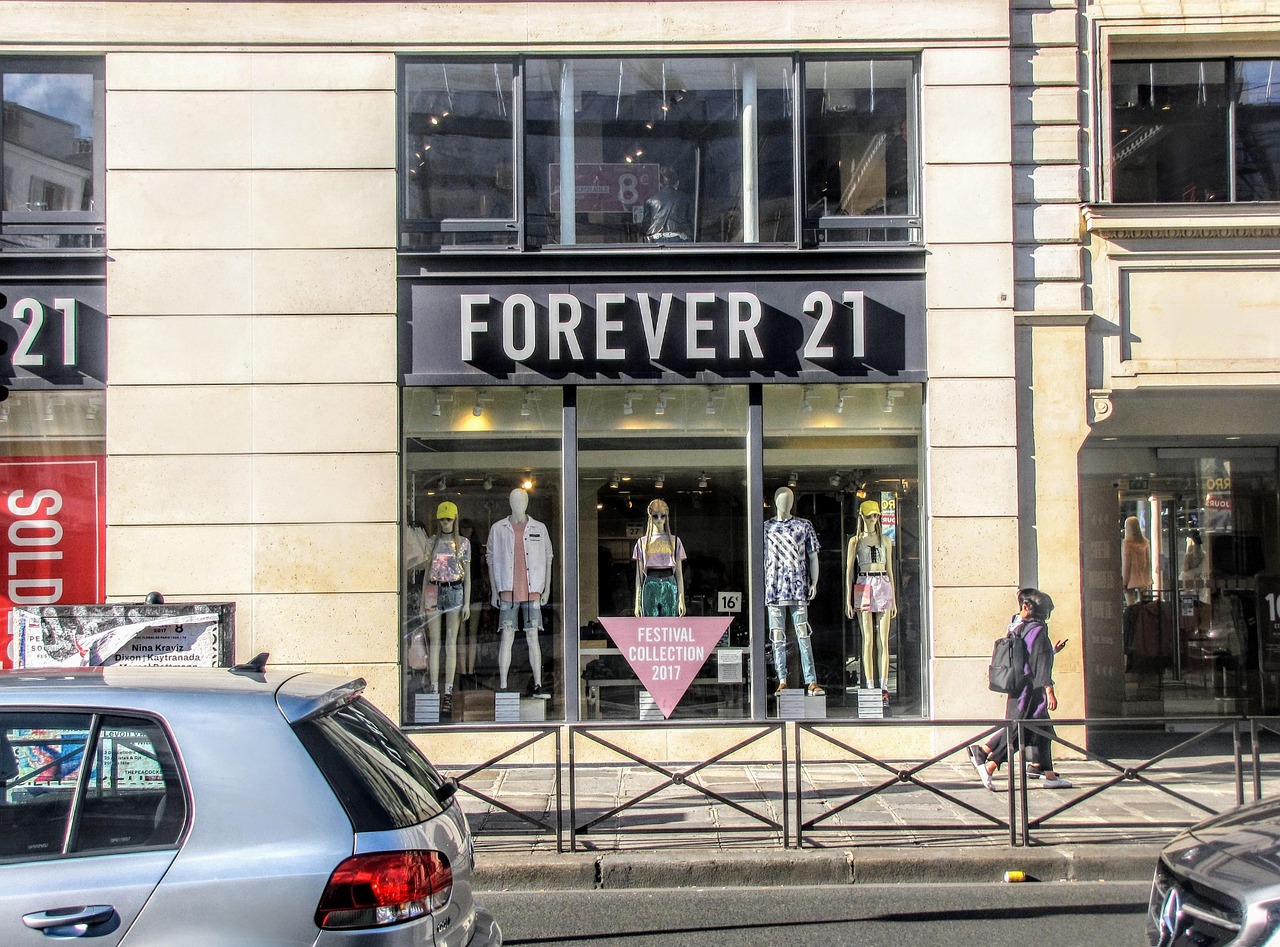
A nine-year French commercial lease (bail commercial, the 3-6-9 lease) reaches its term and nobody moves: no notice from the landlord, no renewal request from the tenant. The lease continues tacitly, sometimes for years. When renewal finally comes, the rent is released from the statutory cap (déplafonnement). Can the tenant at least obtain that the increase be phased in at 10 % a year? The Cour de cassation (the French supreme court for civil and commercial matters) answered no in a reported decision of 16 October 2025.
The facts
An SCI (société civile immobilière, a French property-holding company) had let commercial premises to a retail chain from 1 October 2001. On 17 June 2014 it served notice with an offer of renewal. By a ruling that had become final, the rent of the lease renewed on 1 October 2014 was uncapped, because the expired lease had lasted more than twelve years through tacit extension.
The landlord then claimed an interim payment on the rent and interest due. The tenant asked that the increases resulting from the uncapping be limited, each year, to 10 % of the rent paid the previous year. The Aix-en-Provence Court of Appeal rejected that request in summary proceedings on 14 September 2023, and the tenant appealed to the Cour de cassation.
The text at issue
Article L. 145-34 of the French Commercial Code lays down the principle of the cap: unless there is a material change in the elements listed at 1° to 4° of article L. 145-33, the variation in the renewed rent may not exceed the variation in the commercial rent index (ILC) or the tertiary activities rent index (ILAT) since the rent of the expired lease was first set, if the lease term is not more than nine years.
The same article adds two things. First, the cap does not apply where, through tacit extension, the term of the lease exceeds twelve years. Second, where there is a material change in the elements listed at 1° to 4° of article L. 145-33, or where the cap is set aside by a clause of the contract relating to the term of the lease, the resulting variation in rent may not lead to increases of more than 10 % of the rent paid in the previous year, for any one year. That is the smoothing mechanism introduced by the Law of 18 June 2014.
The decision
The Cour de cassation dismissed the appeal (Cass. 3e civ., 16 October 2025, appeal no. 23-23.834, reported). It approved the Court of Appeal for holding that the smoothing mechanism applies only where there is a material change in the first four elements making up rental value, or where the contractual term of the lease is longer than nine years, and not to nine-year leases that have continued, through tacit extension, for more than twelve years.
The reasoning follows the letter of the text. The last paragraph of article L. 145-34 covers two cases of uncapping, material change and a contractual clause on the term. It does not cover the third, the lease extended beyond twelve years. Smoothing therefore does not apply to it.
What this changes in practice
For the landlord, tacit extension beyond twelve years is the most direct route to a market rent: uncapping is acquired without having to prove a material change, and the new rent takes effect without phasing. The rental value still has to be established with verifiable references, because it is that value, not the landlord’s wish, that sets the rent.
For the tenant, letting a lease run without requesting renewal before its twelfth anniversary exposes them to an immediate increase. A renewal request made in time preserves the cap and, if uncapping is acquired on another ground, the smoothing. The question deserves to be followed with a precise calendar.
For the valuer, the assignment does not change in its method but in what is at stake: the rental value report must be all the more robust because its result applies in full from renewal. Market rental value is defined by the Charte de l’expertise en évaluation immobilière (the French property valuation charter, 6th edition, November 2025, Title III, § 1.4) and by EVS 1 of the European Valuation Standards 2025 as the amount for which the property should let, at the valuation date, between a willing landlord and a willing tenant. It is demonstrated by references of renewal rents and new lettings, reduced to a weighted floor area according to the ranges recommended by the Charte.
Further reading
The Commercial rent and leases page describes the rental value report, its timescale and its fee. On the same theme: Commercial rent uncapping in France: four ways out of the cap and Commercial rent: the impact of a tramway and changes in customer flows. The decision is available on Légifrance.
What next
Has your commercial lease run for more than twelve years without renewal?
Landlord or tenant, market rental value will apply without any phasing. Send me the lease and the current rent: I will tell you what the premises are worth and what this renewal changes.
Free quote, by email or by phone. No commitment before the quote is accepted. Fees are never linked to the value of the property (Charte de l’expertise, Title I, §2.1).