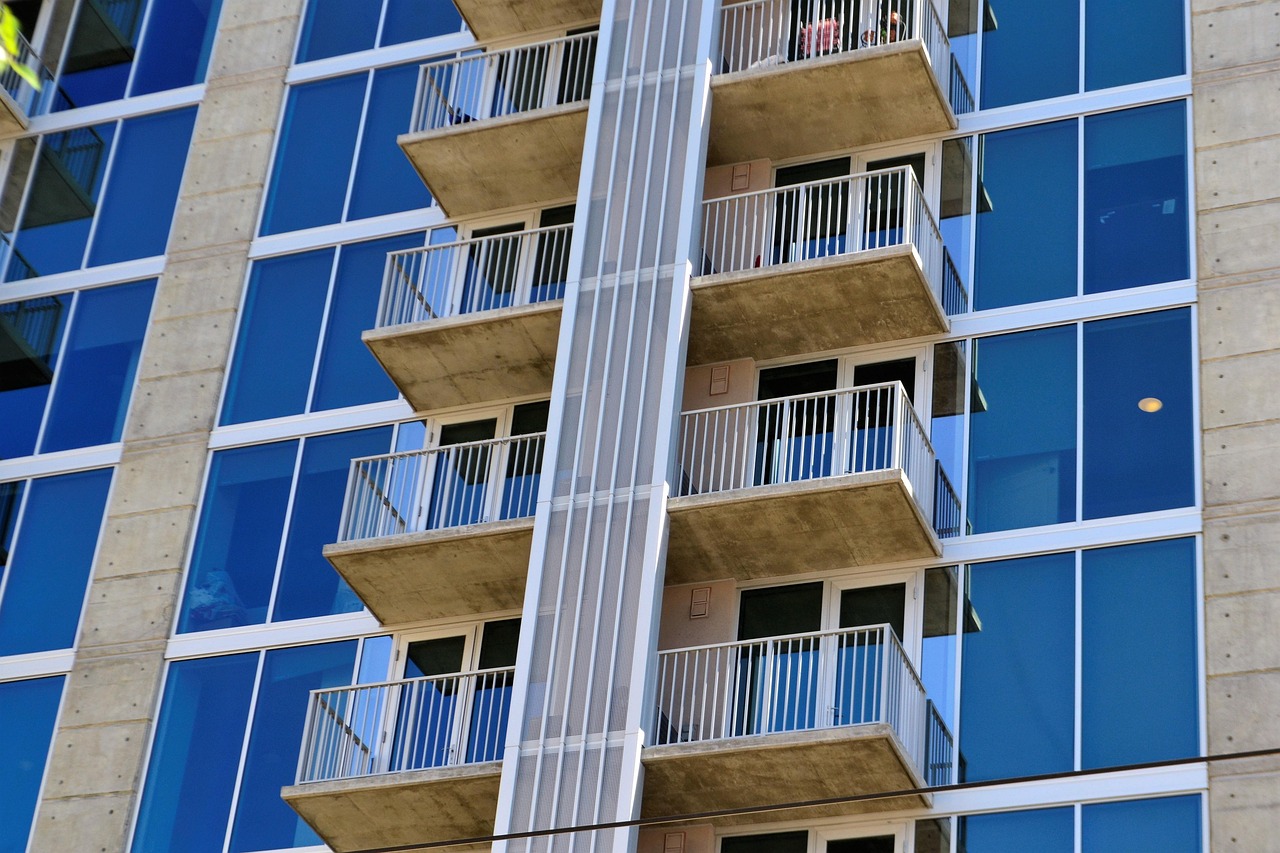
The notice went up one morning on the neighbouring plot: a three-storey block, eighteen flats, balconies facing your garden. You bought this house for its view and its quiet, and you wonder what it will be worth once the building work is finished. The answer is not a hunch: it is a figure, reached by a method the French courts have applied for a long time.
What the law allows, and within what time limits
Two routes exist, and they have neither the same purpose nor the same timetable.
Challenging the building permit is a matter for the administrative courts. The time limit is two months from the first day of continuous display of the site notice on the land. Since 2013, article L. 600-1-2 of the French Planning Code requires the neighbour to show that the project is likely to affect directly the conditions of occupation, use or enjoyment of their property. That is exactly what a report documents: distances, heights, views, shading. This challenge does not seek compensation but the cancellation or amendment of the permit.
An action for abnormal neighbourhood disturbance (trouble anormal de voisinage, the French law of nuisance) is a matter for the civil courts. It was codified by the law of 15 April 2024 in article 1253 of the Civil Code: whoever causes a disturbance exceeding the normal inconveniences of neighbourhood is liable for it, even without fault. A permit that complies with the PLU (local planning plan) therefore does not exclude liability. This action seeks compensation, and this is where quantifying the loss of value becomes central. It is time-barred after five years.
The accepted method: value before, value after
The courts adopt an approach that is simple to state. First the market value of the property is determined disregarding the disturbance, then the market value taking the disturbance into account. The difference is the compensable loss.
The whole difficulty lies in justifying the difference. A percentage announced without demonstration is regularly rejected. The report must establish, room by room and for the garden:
- the distances and heights of the project, read from the permit drawings (site plan, sections, elevations);
- the views created, in the light of articles 678 and 679 of the Civil Code on direct and oblique views;
- the loss of sunlight, by a sun-path diagram at the solstices and equinoxes, with the shading calculated;
- the loss of privacy and of view, with photographs before and simulations after;
- construction nuisances, temporary but real: noise, dust, access.
On this basis, comparable sales are sought with and without an equivalent nuisance. A property identical in every respect but already overlooked sells for less: that difference, observed on the local market, is the basis for the discount.
What order of magnitude?
For a detached house affected by a neighbouring block of flats, decisions most often adopt a loss of value of between 5 and 10 % of the value. The rate rises when a sea view disappears or when the living rooms lose their light for part of the year. It falls when the project remains at a distance or affects only secondary rooms.
To this may be added a temporary loss of enjoyment during the works, assessed by reference to the rental value of the property over the duration of the works, and sometimes rehousing costs.
Can the loss be valued before the building is built?
Yes, from the permit drawings, with express reservations about the prospective nature of the analysis. It is even necessary for the administrative challenge, which must be brought within two months. The report is updated once construction is complete if the civil action goes ahead.
Is a report commissioned by one party enough?
A report by a party-appointed expert is admissible, but the judge cannot base the decision solely on a valuation that was not conducted with both sides present (Cour de cassation, mixed chamber, 28 September 2012). It must be corroborated by other evidence. There are two ways to strengthen its weight: invite the developer to a joint private valuation, or ask the court to appoint a court expert, in which case the party’s report serves to guide the assignment and prepare the dires (a party’s written observations to the expert).
What I need to get started
The title deed, the survey reports (diagnostics), a few photographs taken at different times of day from the living rooms and the garden, and above all the permit file: it can be consulted at the town hall and can usually be downloaded. With these documents, the visit takes about an hour and the report is usually delivered within three to four weeks.
For further reading, two decisions discussed on this site: loss of view is not necessarily an abnormal disturbance and how to claim loss of enjoyment and the devaluation of your property. The Property loss of value page describes the assignment, its timescale and its fee.
What next
A building permit has just been posted near your home?
The time limit for a challenge is two months. Send me a photo of the site notice and the address: I will tell you whether valuing the loss is worthwhile, how long it takes and what it costs.
Free quote, by email or by phone. No commitment before the quote is accepted. Fees are never linked to the value of the property (Charte de l’expertise, Title I, §2.1).